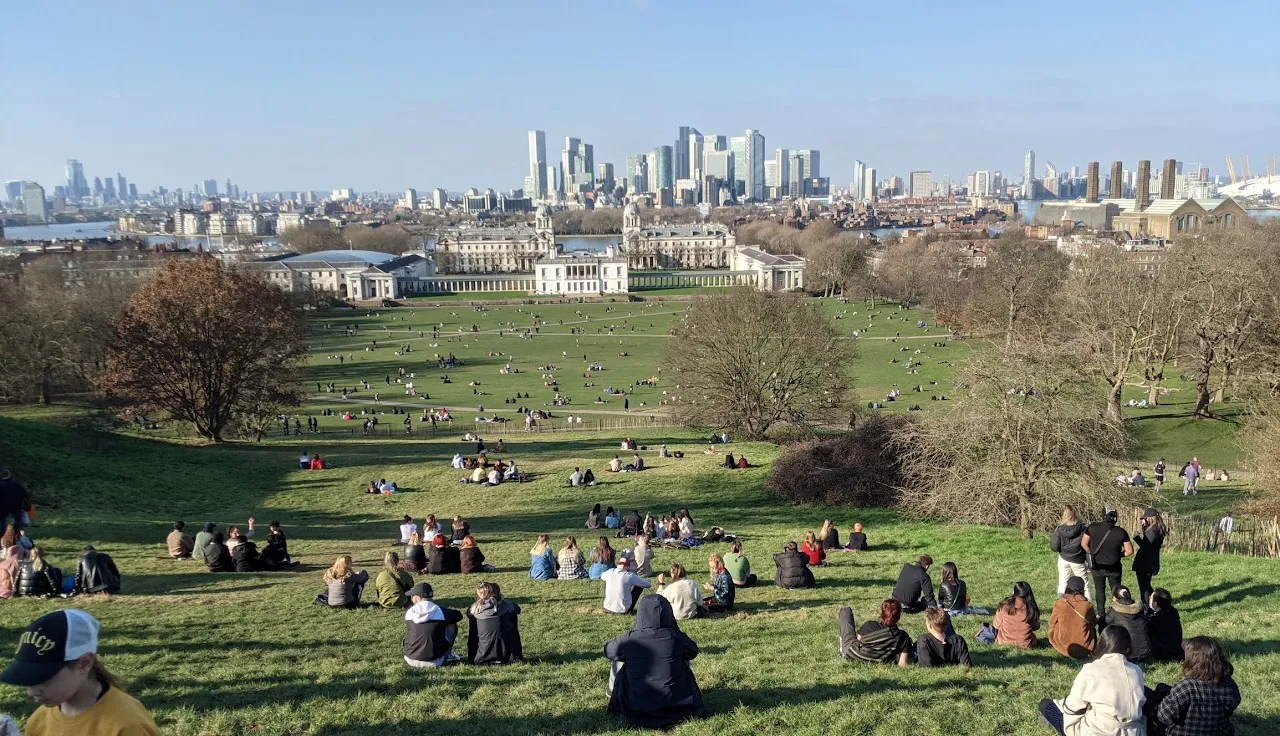
An independent, open community
Founded in 2017 within the UK Fluids Network, the group brings together researchers and practitioners working on the fluid mechanics of the urban environment — across academia, industry and government.
Who we are
Urban Fluid Mechanics is an open research community whose interests cover the broad range of issues associated with flows in urban areas — the turbulent transport of momentum, heat and pollutants across every scale of the city, from inside and between buildings, through the urban canopy, and up into the atmospheric boundary layer. Our scope ranges from fundamental to applied research, with an emphasis on experimental, numerical and theoretical approaches.
- 9years since the 2017 kick-off
- 14meetings held
- 154talks archived
- 278on the mailing list
- 293resources in the data portal
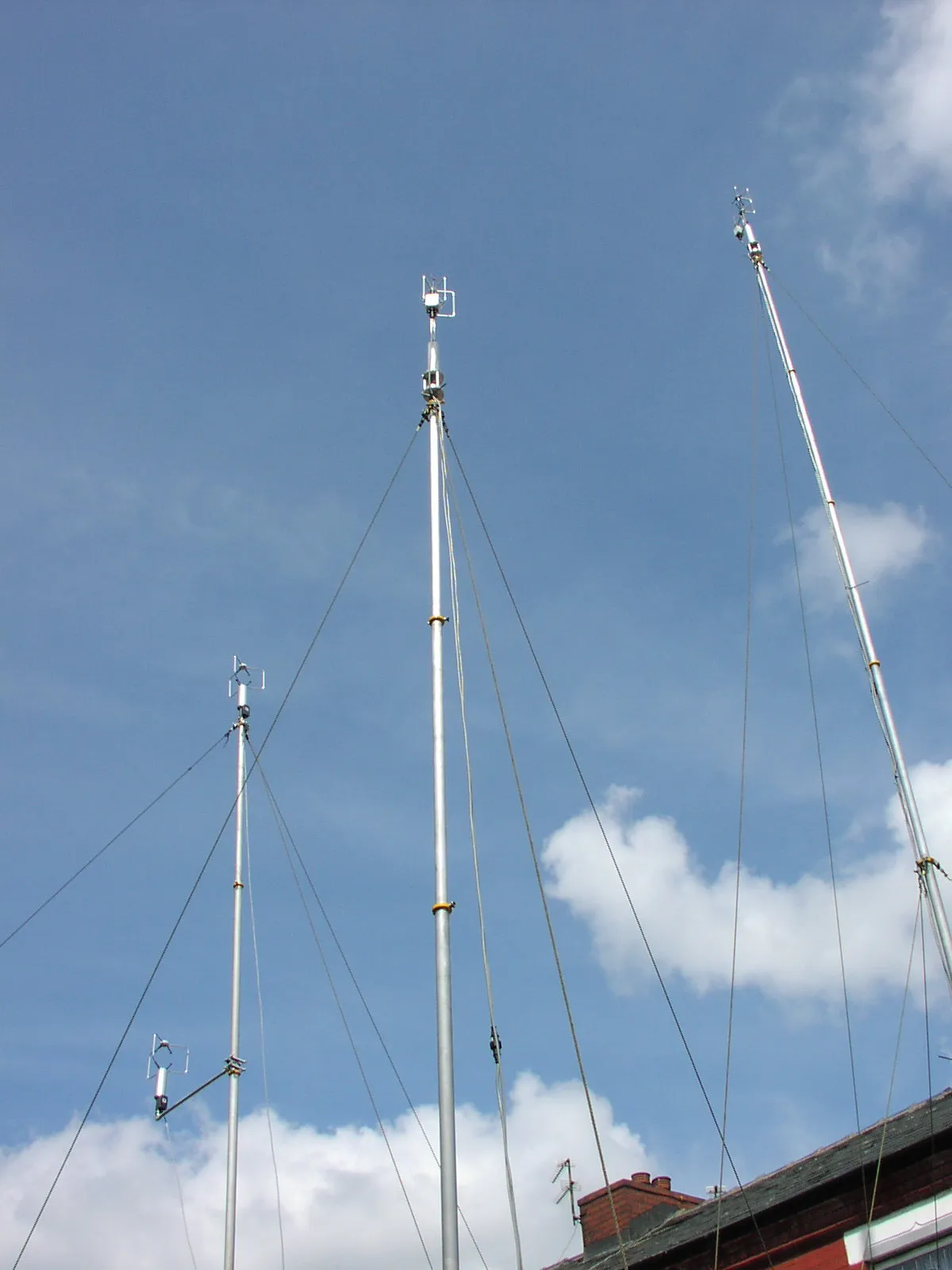
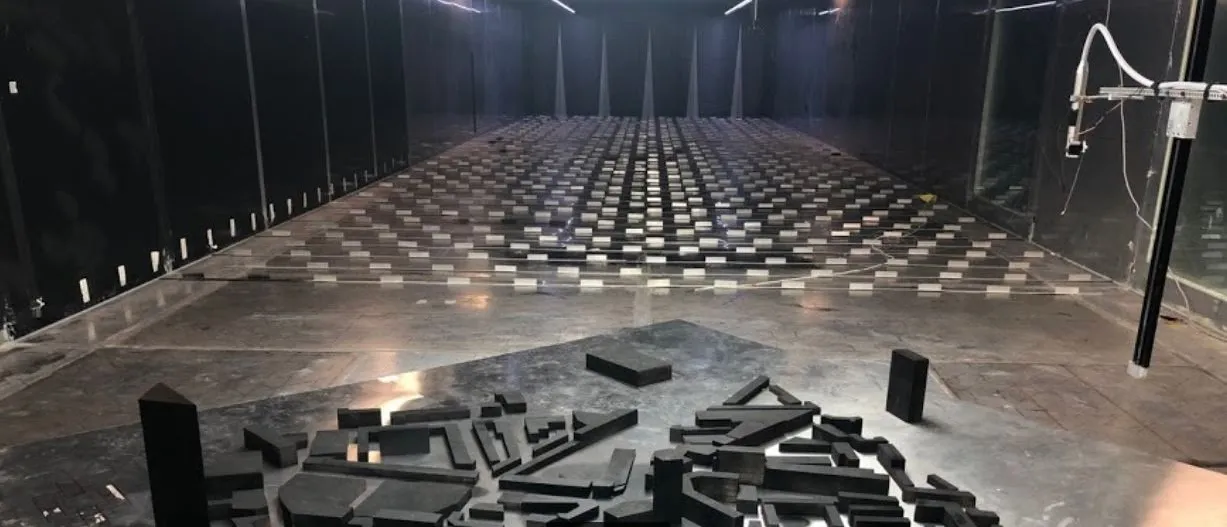
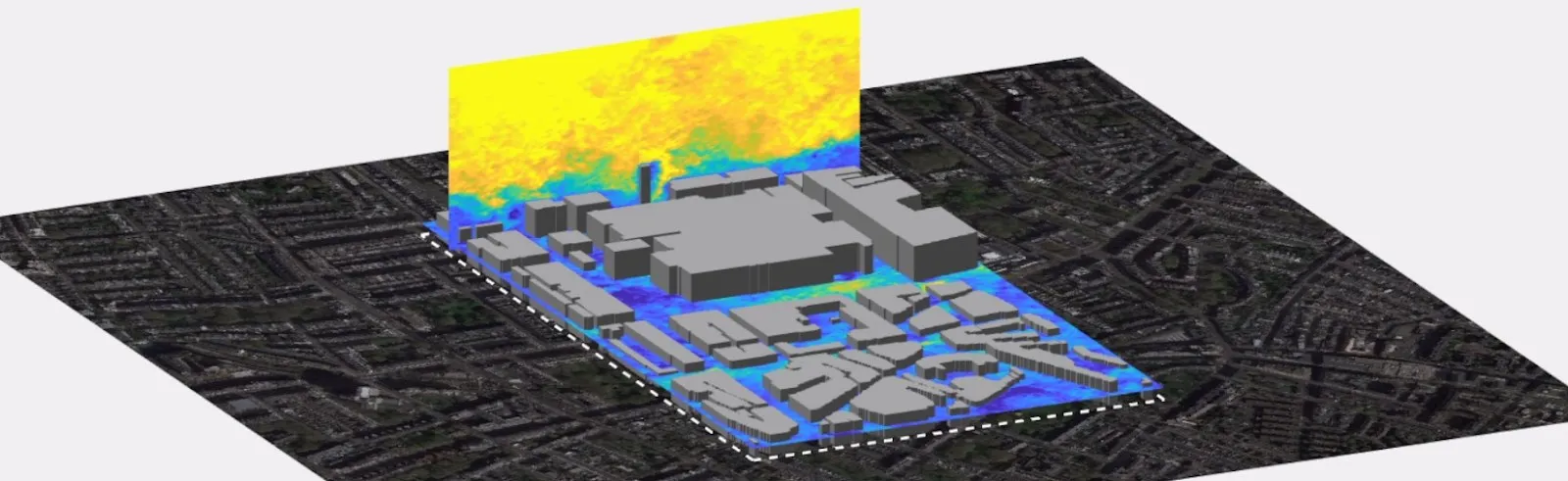
Our history
The community began as a Special Interest Group of the UK Fluids Network, funded by the Engineering and Physical Sciences Research Council (EPSRC). That grant has since concluded. Rather than wind the group down, we have continued independently — the meetings, the data portal and the mailing list all carry on, sustained by the community itself.
We remain open to everyone working on the fluid mechanics of cities: universities, industry and government, in the UK and internationally. There is no membership fee. Anyone is welcome to join the mailing list, attend a meeting, and contribute datasets to the portal.
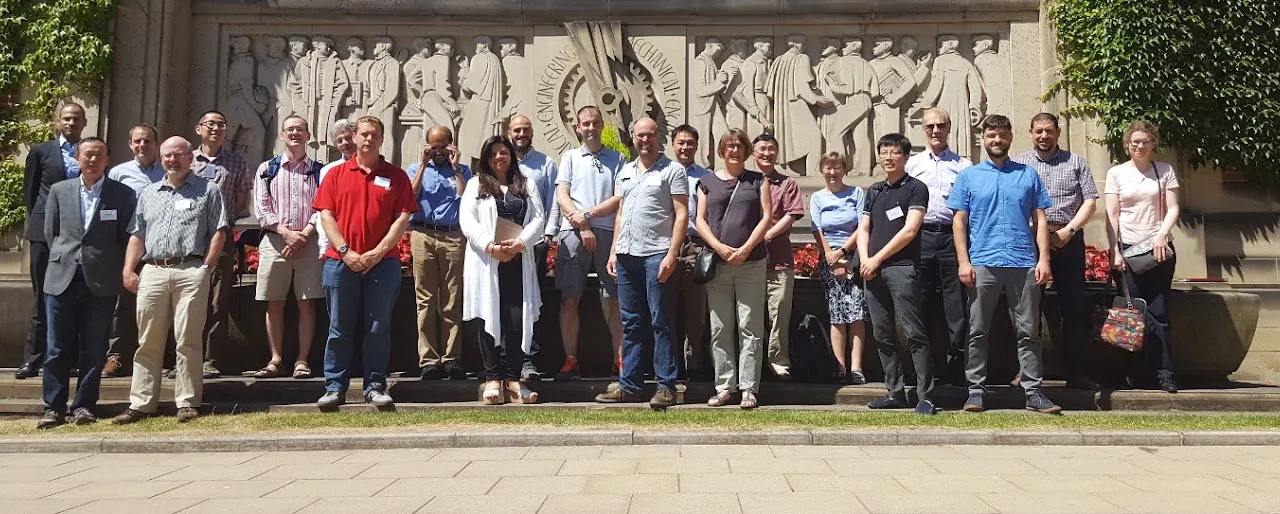
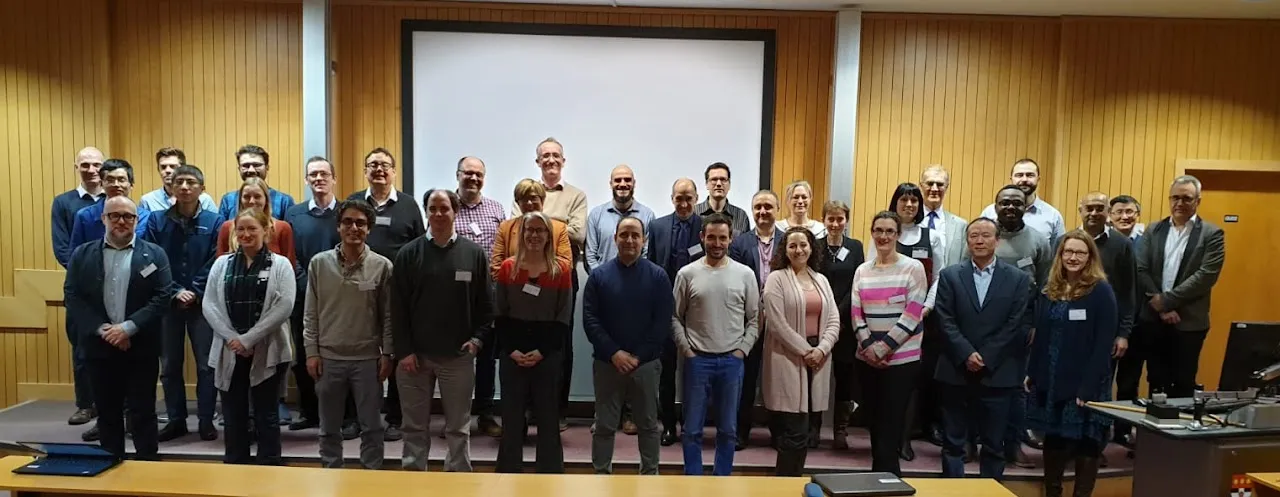
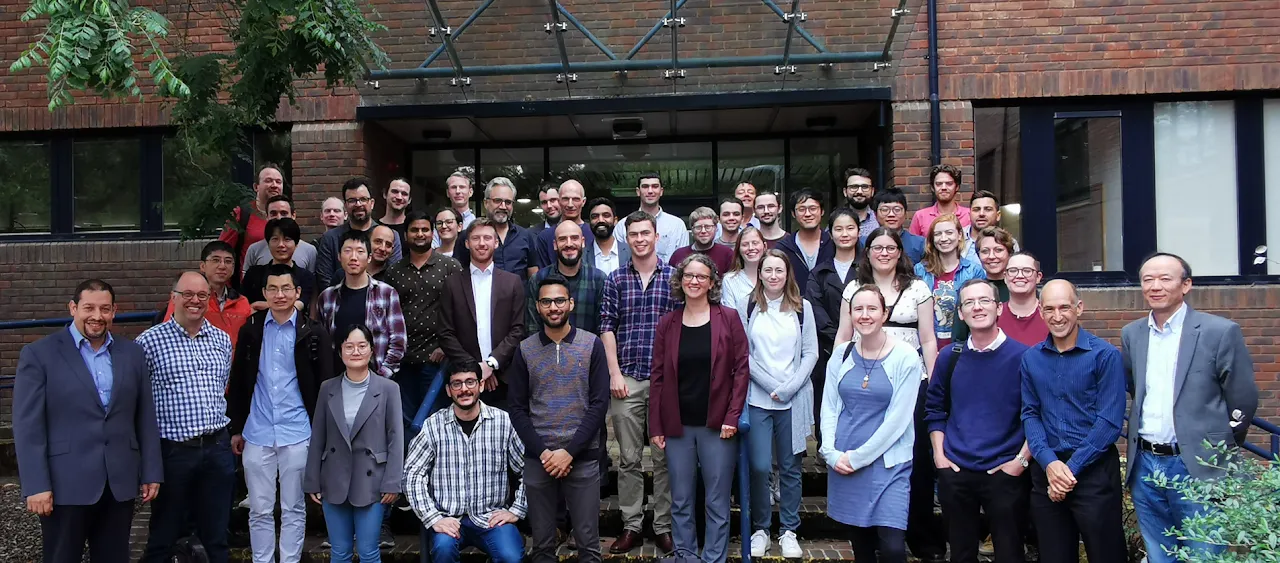
The community over the years
How it runs
The group meets once or twice a year — typically around 50 participants — hosted in rotation by member institutions. Talks and slides from each meeting are archived on the Meetings page. The Data Portal collects datasets from field, laboratory and CFD studies so they can be found, compared and reused.
Organisation
The group is led by three co-directors and guided by a steering committee drawn from academia, industry and government. See the People page for the full committee, past and present.
Get in touch
For anything about the group, contact one of the leads, or join the mailing list.
Other resources
- UK Fluids Network — The network within which the group was founded.